



Chemical Peels
Our Approach to Chemical Peels
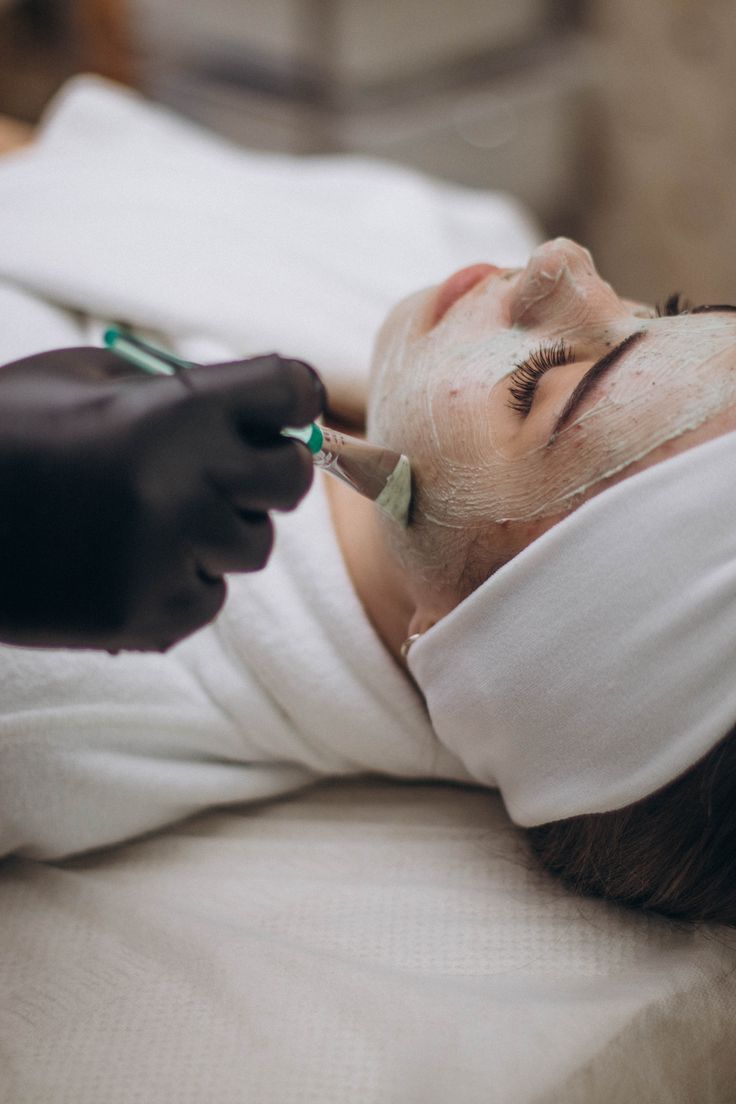
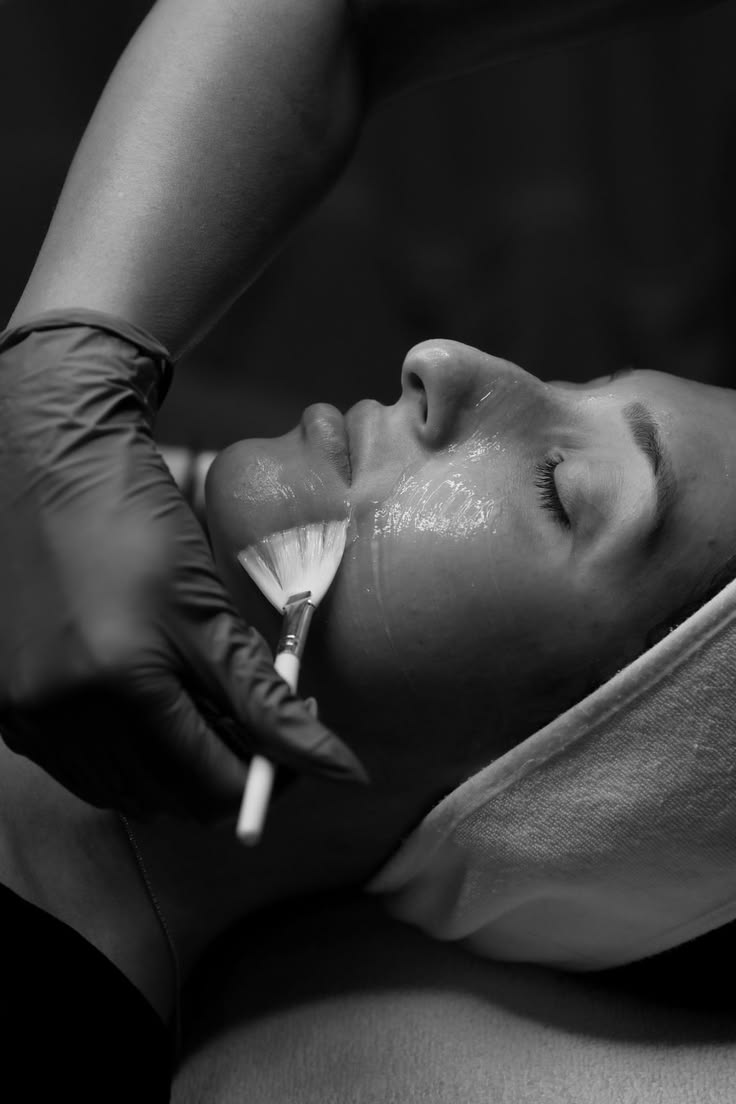
A chemical peel involves applying a professional-strength exfoliating solution to the skin under clinical supervision. Peels vary in type and strength, and may be used as part of a personalised skin plan for individuals wishing to discuss concerns relating to skin appearance.
Following an assessment, a peel may be incorporated into treatment plans for concerns such as congestion, uneven skin tone, pigmentation or dull-looking skin. The type and strength of peel is chosen to suit your skin type and history.
Treatments are carried out under the medical oversight of Dr Stephen Hadges, who brings over 35 years of clinical experience. Recommendations are based on an individual’s concerns, medical history, skin assessment and treatment goals.
Possible side effects include redness, stinging, dryness, peeling, sensitivity and pigmentation changes, particularly in darker skin types. Less commonly, blistering, infection or scarring can occur. Strict sun protection is needed before and after treatment. Results vary between individuals, and suitability can only be determined following a consultation.
Concerns Chemical Peels May Be Considered For
Congestion – may be included in a plan for congested or breakout-prone skin
Uneven Skin Tone – may be considered for patchy or uneven-looking tone
Pigmentation – may form part of a plan following assessment of pigmented areas
Dull-Looking Skin – may be discussed for skin that appears lacklustre
Skin Texture – may be considered for rough or uneven-feeling skin
General Information
The information on this website is general in nature and is not a substitute for individual medical advice. Suitability for any medical or cosmetic service can only be determined following an appropriate consultation. All procedures carry potential risks, individual responses vary and no particular outcome can be guaranteed.